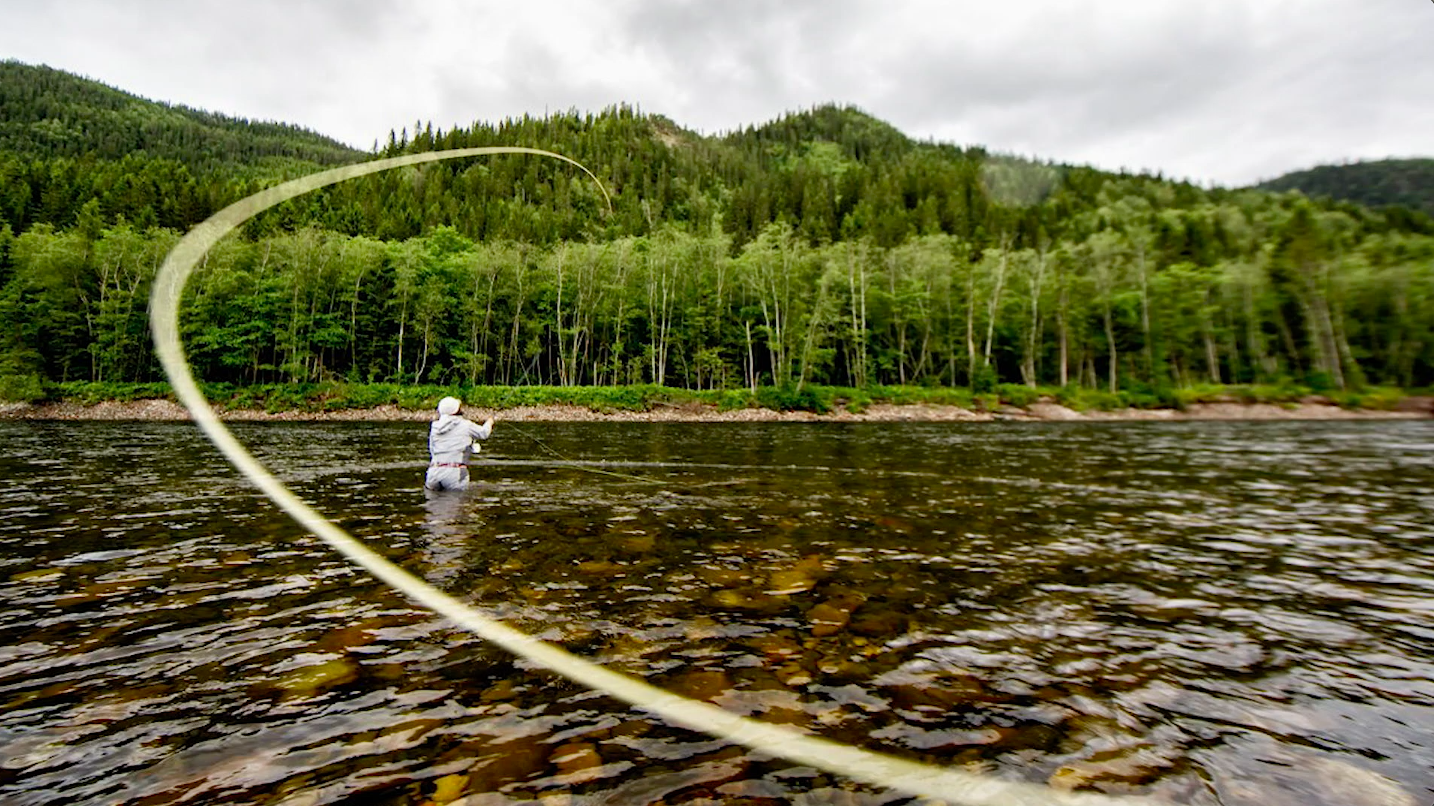
It’s a familiar scene: anglers arrive at the water and immediately attempt long casts into the depths. However, many are surprised to learn that fish often linger closer to shore than expected. Instead of going for distance right off the bat, begin by casting out just the leader and perhaps half of your tip. This gradual approach allows you to methodically cover the water, starting from the closest areas and moving outward. It’s a simple yet effective strategy that can lead to more catches and less frustration.
When it comes to those first casts, they don’t need to be record-setting. What matters is getting your fly to start interacting with the water correctly. Here, the key is to ensure your fly is thoroughly wet before you cast. Some flies, especially those made with materials like marabou or rabbit, take a bit to soak up enough water to sink properly. If you skip this step, you might find your fly floating awkwardly on the surface, which isn’t usually the goal.
Additionally, your initial casts should be modest, focusing on technique rather than distance. To do it properly, gently allow the fly to swing toward the shore, performing what’s affectionately known as “the dangle.” It’s more about finesse than force, and you slowly extend your reach with each subsequent cast.
As you cast, remember to move with purpose. In clear waters, fish are easily spooked, so take deliberate steps between each cast. This strategy not only prevents alarming the fish but also ensures you’re methodically covering more area. When retrieving your line, begin with subtle strips to lure any fish tracking your fly, then shift to stronger pulls as necessary. Adopting this refined technique keeps your fly in a natural, appealing motion, effectively imitating the movements of actual prey in the water.
The key takeaway here is that fly fishing is more than just casting a line; it’s about understanding the environment, fish behavior, and the subtle art of presenting your fly in the most natural way possible. So, before you make that first cast, take a moment to prepare, practice, and, perhaps most importantly, enjoy the peace and satisfaction that comes with fly fishing.
If you liked these tips and want to dig deeper, you can unlock the entire course and more for FREE by simply becoming an Anchored Insider at https://anchoredoutdoors.com/premium-insiders/ No card, no commitment, no catch. I’d just like to gratefully welcome you into our community.